Why Your Electric Bill Spikes in Summer (And Which AC Parts to Check)
Every Dallas homeowner knows the drill — your electric bill doubles or triples between June and September. Some of that is just the reality of cooling a house when it’s 105 degrees outside. But if your bill jumped more than usual, or it’s significantly higher than your neighbors’ bills, your AC system might be working harder than it should because of worn parts.
A Weak Capacitor Makes Everything Work Harder
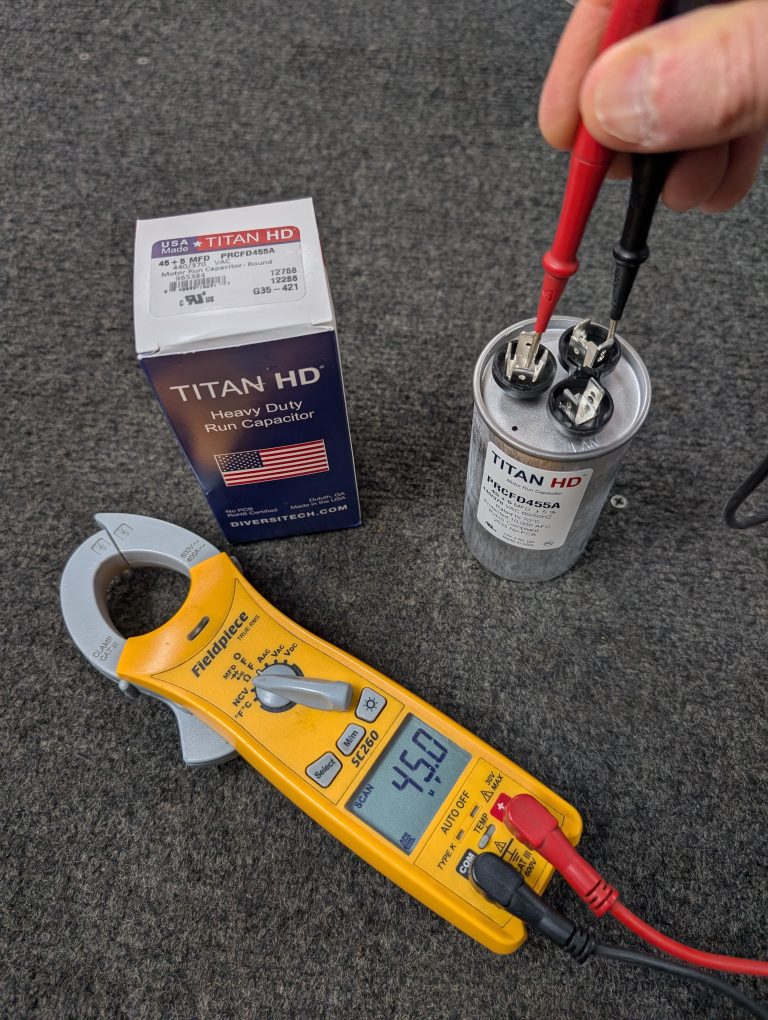
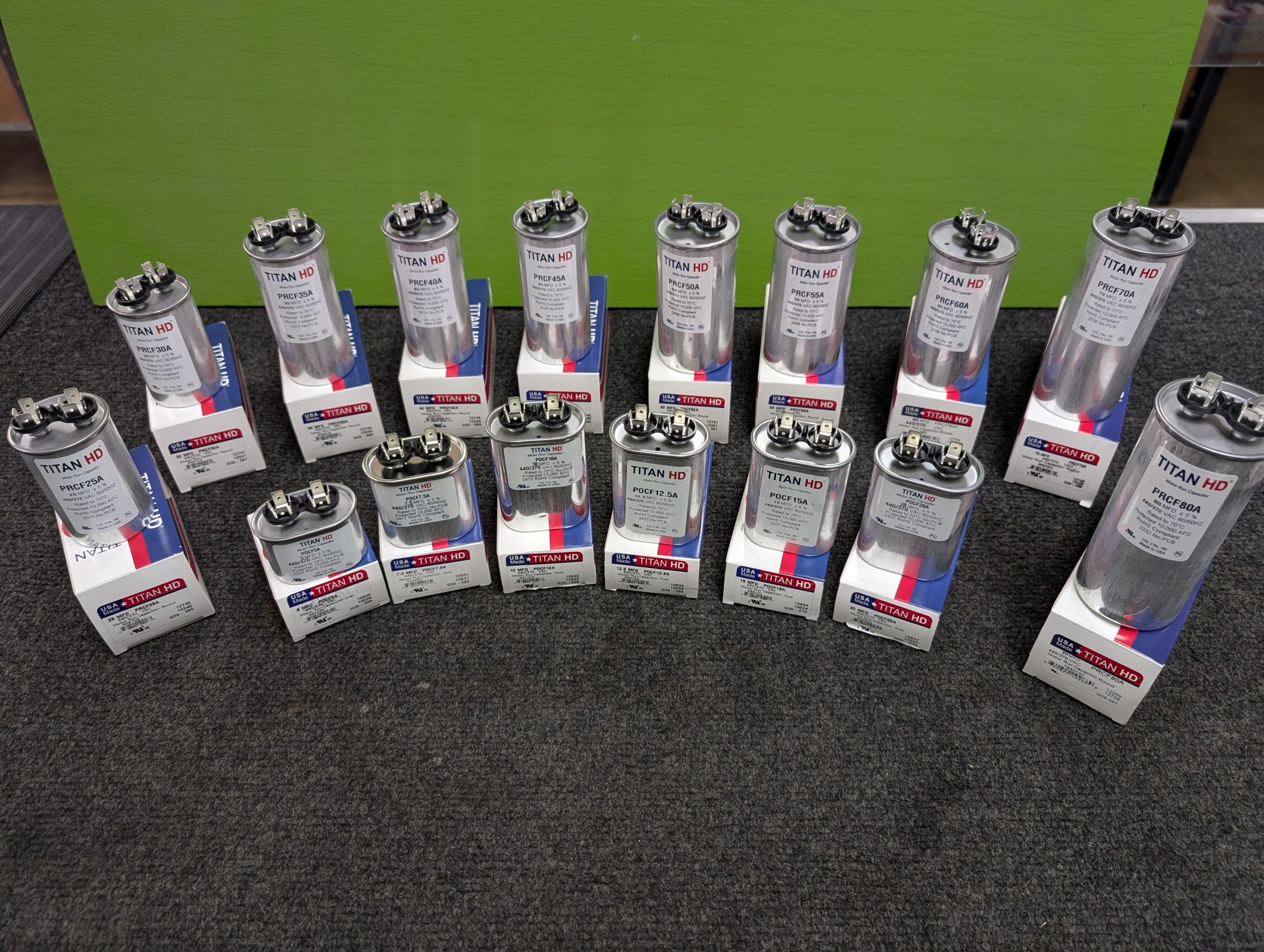
A run capacitor that’s lost even 10% of its rated microfarads forces the compressor and fan motor to draw more electricity to do the same job. It’s like trying to pedal a bike in a gear that’s slightly too high — you can do it, but you burn more energy. Over a full Dallas summer, a weak capacitor can add $20 to $50 per month to your electric bill before it eventually fails completely. Testing and replacing a capacitor costs $10 to $30 at our counter.
Dirty Condenser Coils Trap Heat
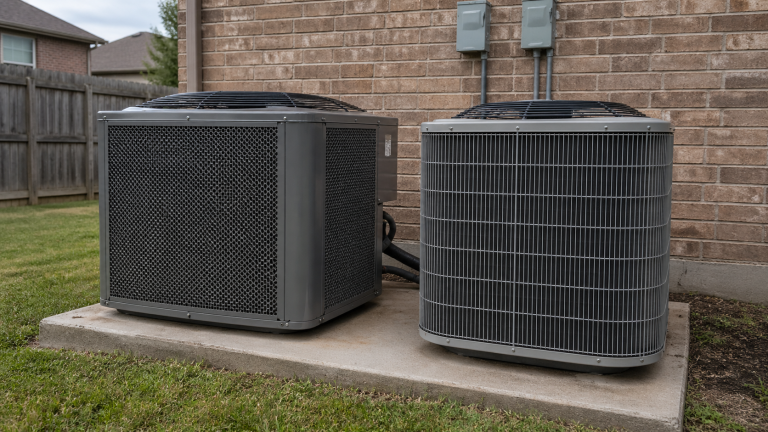
Your outdoor unit’s condenser coils need to release heat into the outside air. When they’re coated with dirt, grass, and cottonwood, they can’t do that efficiently. The compressor runs longer cycles to compensate, and longer run time means higher bills. Rinse the coils from inside out with a garden hose every month during summer. It costs nothing and can make a noticeable difference.
A Clogged Air Filter Restricts Airflow
A dirty air filter forces the blower motor to work harder to push air through the system. Less airflow across the evaporator coil means less heat is absorbed from your house per cycle, so the system runs longer to reach the thermostat setpoint. During peak summer in Dallas, change your filter every 30 days — not every 90 days like the package suggests. That recommendation was written for milder climates.
Refrigerant Leaks
Low refrigerant reduces your system’s cooling capacity, which means longer run times and higher bills. Signs include ice forming on the indoor evaporator coil, warm air from the vents even though the system is running, and a hissing sound near the refrigerant lines. Refrigerant work requires a licensed tech, but you can check for obvious signs yourself: frost or ice on the large copper line (the suction line) running from the indoor unit to the outdoor unit is a red flag.
An Old or Failing Thermostat
If your thermostat reads the room temperature inaccurately — even by just 2 or 3 degrees — it can cause the system to run much longer than necessary. A thermostat that reads low will keep calling for cooling long after the room is actually at the desired temperature. Upgrading to a modern programmable thermostat with an accurate digital sensor can save 10% or more on cooling costs, and the payback period is usually one summer.
Duct Leaks
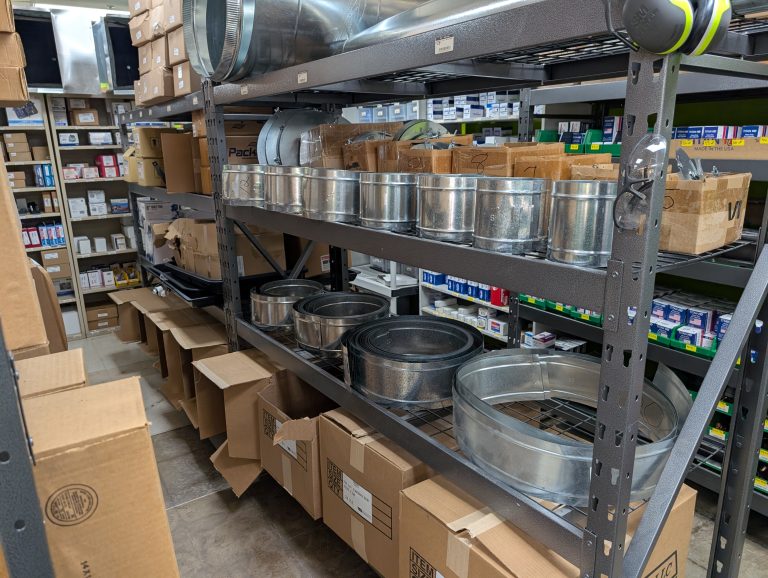
In many Dallas-area homes, the ductwork runs through a scorching hot attic. If those ducts have gaps, loose connections, or deteriorated insulation, you’re paying to cool the attic instead of your living space. The Department of Energy estimates that duct leaks waste 20% to 30% of conditioned air in a typical home. You can seal accessible duct joints with mastic sealant or metal tape (not regular duct tape, which breaks down in heat). We carry duct supplies including mastic, tape, and insulation.
Small Fixes Add Up
You don’t need a new system to lower your summer bills. A $15 capacitor, a $5 filter, a $30 thermostat, and an afternoon cleaning the condenser and sealing a few duct joints can easily save you $50 to $100 per month through the summer. Bring in any parts you’re unsure about — we’ll test them for free and let you know what actually needs replacing versus what’s still good.
Open To Public HVAC Parts — 10226 Plano Rd, Suite 104, Dallas, TX 75238. Call or text (214) 340-9421. Open Monday–Friday 10–7, Saturday 10–3.