AC Compressor Not Starting? Parts to Check Before You Panic
When your AC compressor won’t start, it’s easy to jump to the worst-case scenario — a dead compressor that costs thousands to replace. But more often than not, the compressor itself is fine and a much cheaper part is the real problem. Before you start shopping for a new system, work through this checklist. The fix is usually under $50.
Check the Capacitor First — It’s the Cause 70% of the Time
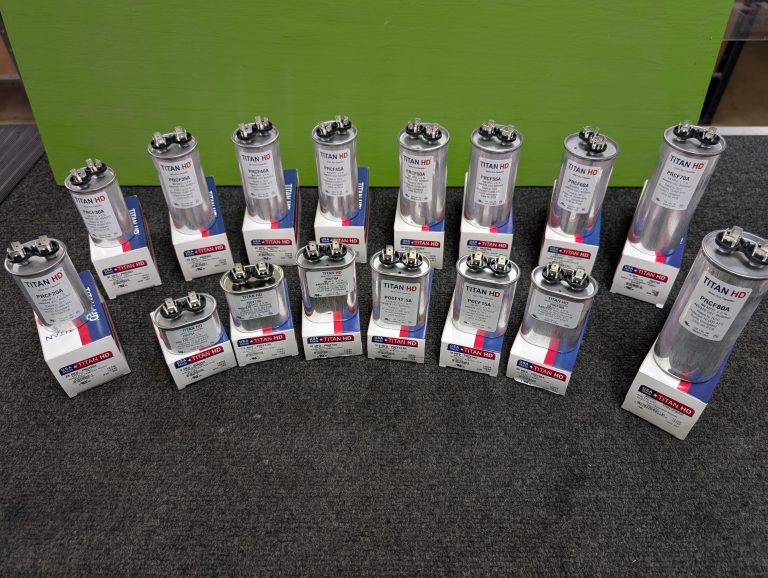
The run capacitor provides the startup boost your compressor needs to get moving. When it fails, the compressor hums but can’t turn over — or it doesn’t respond at all. This is by far the most common reason a compressor won’t start, especially at the beginning of summer when the system fires up after months of sitting idle.
Turn off power to the outdoor unit, pull the capacitor (it’s the cylindrical canister with wires on top), and bring it in. We’ll test it in 30 seconds. If it’s weak or dead, a new one costs $10 to $30 and takes five minutes to install.
Check the Contactor
The contactor is the relay that sends 240V power to the compressor when the thermostat calls for cooling. If the contactor’s coil burns out or its contacts are too pitted to make good connection, the compressor never gets power. Look for visible pitting or burn marks on the contact points. If they look rough, swap it out — contactors cost $18 to $35 and take 10 minutes to replace.
Check for Power
Make sure the outdoor disconnect hasn’t been pulled or the breaker hasn’t tripped. Also check that the thermostat is set to COOL and the temperature is set below the current room temperature. It sounds basic, but these account for more “my compressor is dead” calls than most people would admit.
Listen for the Compressor
With everything else checked, turn the system back on and listen at the outdoor unit. If you hear a hum from the compressor area but nothing starts, the compressor is getting power but can’t turn over. This could mean a bad capacitor (most likely), a locked rotor (the compressor is mechanically stuck), or bad start windings. If you hear clicking from the contactor but no hum at all, the compressor isn’t getting power — recheck the contactor and wiring.
Try a Hard Start Kit
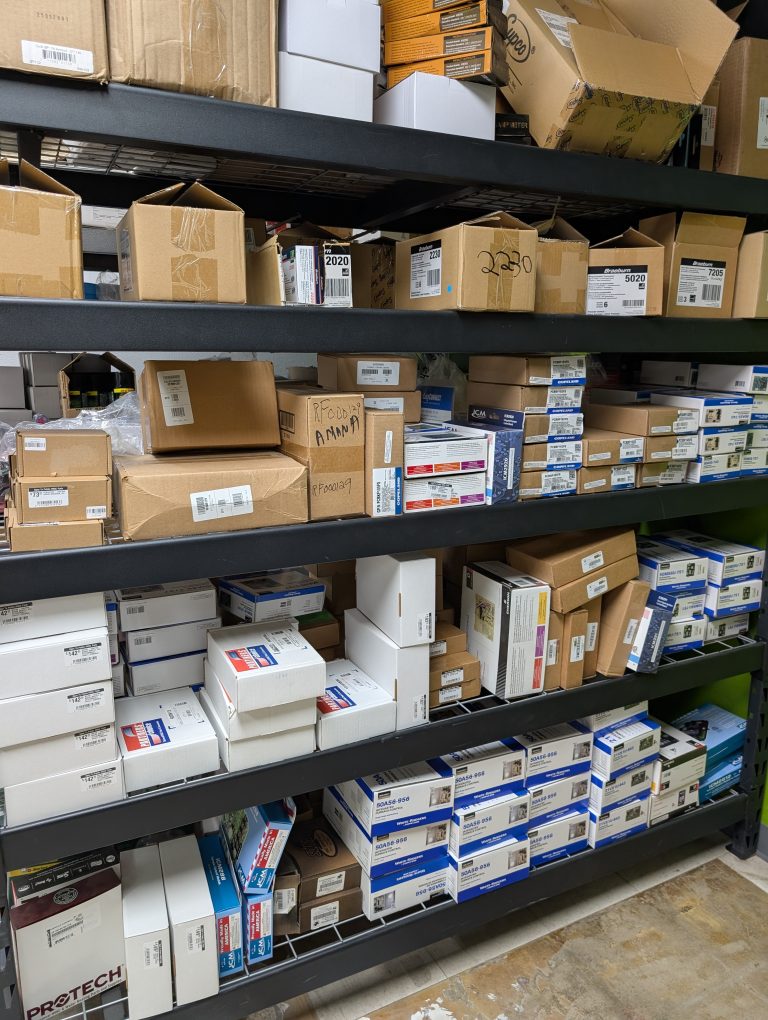
If the compressor tries to start but can’t quite get going (you hear a brief hum followed by a click as the overload trips), a hard start kit might save it. The kit gives the compressor a powerful electrical boost during startup. It costs $40 to $60 and is a worthwhile attempt before writing off a compressor that might have years of life left in it. We carry hard start kits at the store — give us the compressor’s RLA and LRA from the nameplate and we’ll match the right one.
When It Really Is the Compressor
If the capacitor is good, the contactor is good, and a hard start kit doesn’t help, the compressor may genuinely be failed. You can test the windings with a multimeter — check resistance between the three compressor terminals (Common, Start, Run). If any pair reads open (infinite resistance) or if any terminal shows continuity to ground (the copper refrigerant line), the compressor is done. At that point, you’re looking at a major repair or system replacement — but at least you’ll know for certain, and you didn’t pay a tech $100+ just for the diagnosis.
Bring in your capacitor, contactor, or any part you’re unsure about — we’ll test it at the counter for free and help you figure out what’s actually going on before you spend money on parts you don’t need.
Open To Public HVAC Parts — 10226 Plano Rd, Suite 104, Dallas, TX 75238. Call or text (214) 340-9421. Open Monday–Friday 10–7, Saturday 10–3.