AC Disconnect Box: What It Does and How to Use It Safely
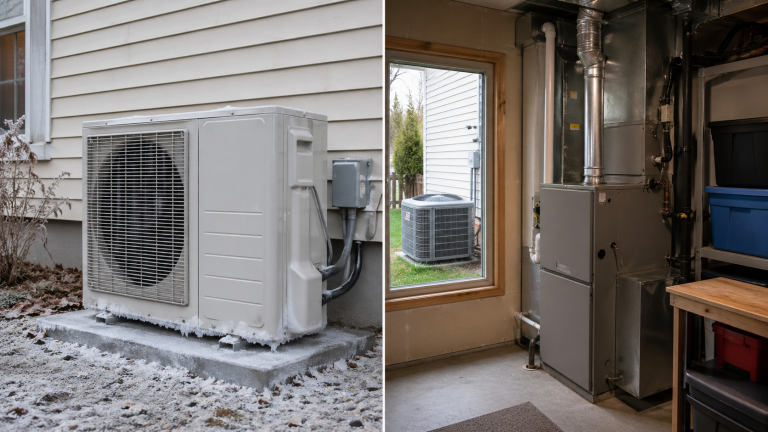
That gray metal box on the wall next to your outdoor AC unit is called the disconnect box, and it’s one of the most important safety devices in your HVAC system. Before you do any work on your air conditioner — even something as simple as cleaning the coils — you need to know how to use it.
What the Disconnect Does
The disconnect is a dedicated shut-off switch for your outdoor unit. It cuts power to the compressor, condenser fan motor, and all wiring inside the unit. It exists so that a technician (or a DIY homeowner) can safely work on the equipment without having to go back inside to the breaker panel.
Most disconnects use either a pull-out block or a lever. The pull-out type has a plastic block with metal contacts — you literally pull it out of the box to cut power. The lever type has a handle you flip to the OFF position.
When to Use It
Always pull the disconnect before doing any of these tasks: replacing a capacitor, replacing a contactor, changing a condenser fan motor, cleaning condenser coils, or inspecting any wiring inside the outdoor unit. Even if you’ve turned off the thermostat, the disconnect is the only way to guarantee there’s no high voltage at the unit.
Common Disconnect Problems
Burned or melted contacts. The metal contacts inside the pull-out block carry the full amperage of your compressor. Over time, heat and arcing can melt or pit these contacts, causing intermittent power loss to the unit. If your AC is cutting in and out and all other parts test good, check the disconnect contacts.
Loose wiring. The wire connections inside the disconnect box can loosen over time, especially with thermal expansion from Texas heat. A loose connection creates resistance, which creates heat, which makes it even looser. If you see discolored or melted wire insulation, the connections need to be tightened or replaced.
No fuses or wrong fuse size. Some disconnects are fused. If the fuses are blown or missing, the unit won’t get power. Check the fuse rating — it should match what’s on the unit’s data plate.
Replacing a Disconnect
If the contacts are burned or the box is damaged, replacement disconnects are inexpensive and straightforward. Match the amperage rating (typically 30A or 60A for residential) and whether you need fused or non-fused.
Open To Public HVAC Parts stocks disconnect boxes, pull-out blocks, and fuses. If you’re not sure what size you need, bring in a photo of your data plate or the old disconnect. We’ll match it. 510+ Google reviews. Since 1998.
10226 Plano Rd, Suite 104, Dallas, TX 75238
(214) 340-9421 | Mon–Fri 10am–7pm, Sat 10am–3pm