AC Making Strange Noises? What Each Sound Means
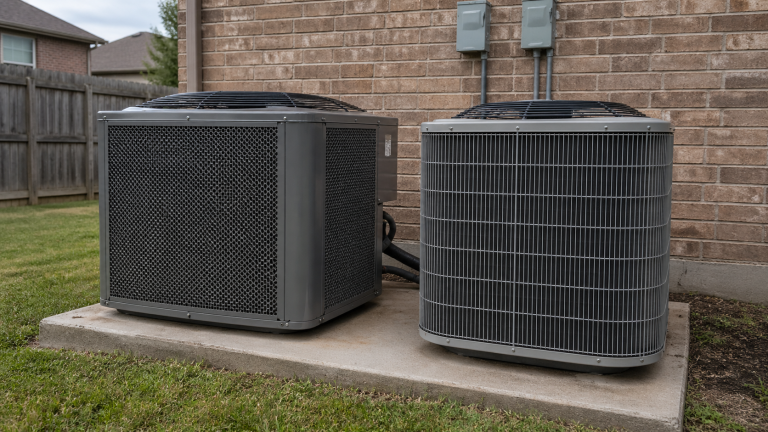
A healthy AC system is relatively quiet — you hear the fan running and maybe a soft hum from the compressor. When new sounds show up, your system is telling you something is wrong. The type of noise often points directly to the failing part, which means you can diagnose the problem from your backyard before spending anything.
Buzzing
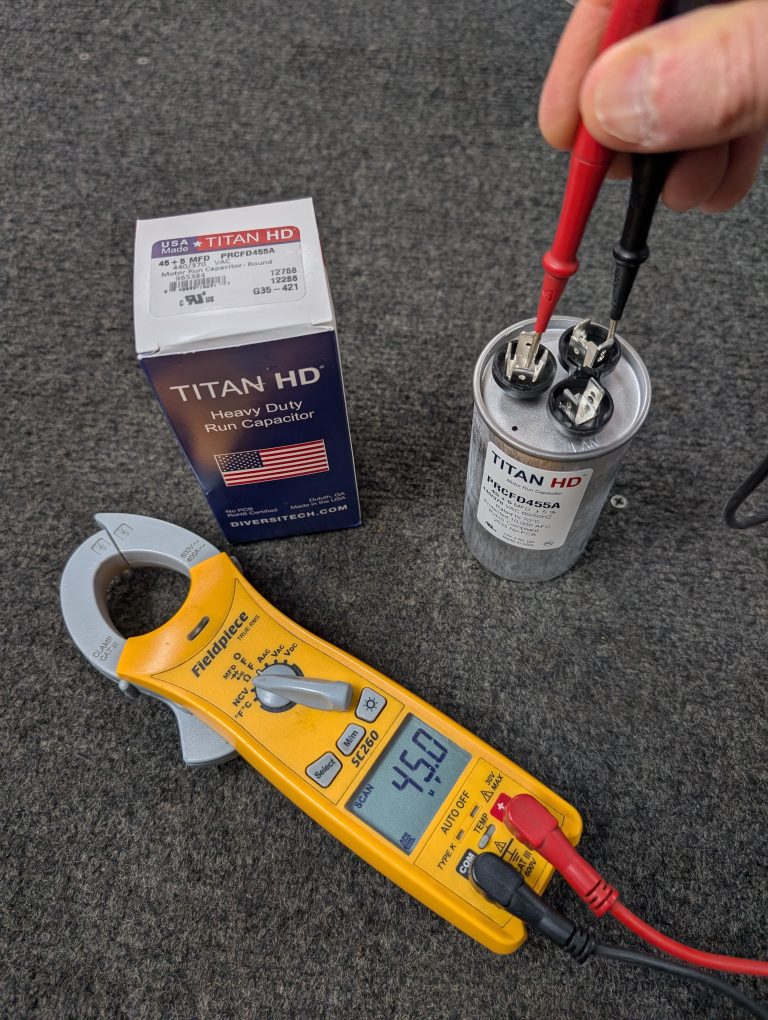
A buzzing sound from the outdoor unit usually points to an electrical issue. The most common cause is a failing contactor — the electromagnetic coil is energized but the contacts aren’t fully closing, creating a vibration. A loose wiring connection can also buzz. Less commonly, a buzzing compressor can mean the motor is trying to start against a locked rotor, which often happens when the run capacitor is weak or dead. Start by checking the capacitor — it’s the cheapest and easiest part to test.
Clicking
Rapid clicking at startup that doesn’t lead to the compressor running usually means the compressor is trying to start but can’t — a weak capacitor, bad contactor, or failing compressor. A single click followed by normal operation is just the contactor engaging, which is normal. Clicking from the indoor unit at the thermostat often means the thermostat is cycling the system on and off too quickly (short cycling), which can be caused by a dirty filter, refrigerant issues, or a faulty pressure switch.
Grinding or Screeching
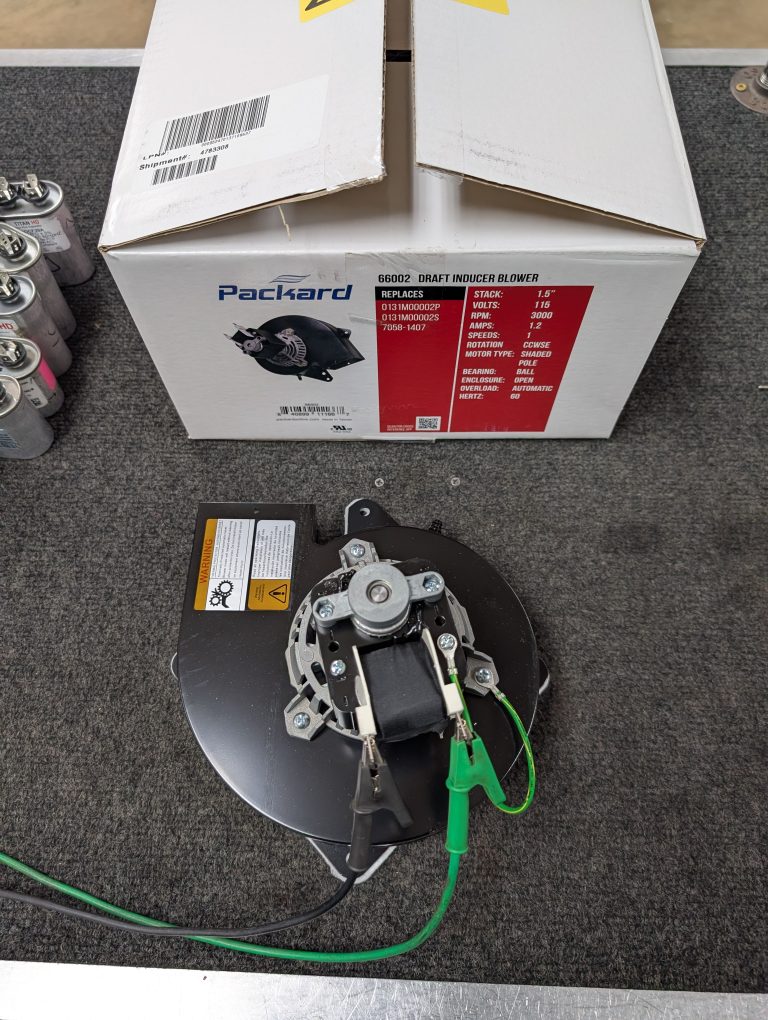
Metal-on-metal grinding from the outdoor unit means the condenser fan motor bearings are shot. This sound gets worse over time and the motor will eventually seize. Replace it before it does — a seized motor can overheat and damage wiring, and it forces the compressor to overheat without airflow across the condenser coils. A screeching sound from the indoor unit is typically the blower motor bearings or a slipping belt (on older belt-driven systems).
Rattling
Rattling from the outdoor unit is often something loose — a panel screw, a fan blade hitting something, or debris that fell into the unit. Turn off the system and check inside the condenser for sticks, leaves, or anything rubbing against the fan. If the rattle is coming from the fan motor area specifically, the motor mount bolts may be loose or the motor shaft may be worn, causing the blade to wobble.
Hissing or Bubbling
A hissing sound near the refrigerant lines can indicate a refrigerant leak. Bubbling sounds in the lines suggest air in the system, which also points to a leak. Refrigerant work requires EPA certification and specialized equipment, so this is one situation where you do need a licensed technician. However, everything else on this list is a DIY-friendly repair.
Humming Without Starting
If the outdoor unit hums but nothing spins, the compressor or fan motor is getting power but can’t start. Check the capacitor first — it’s the cause about 70% of the time. If the capacitor tests good, try giving the fan blade a gentle push with a stick. If it starts spinning, the fan motor’s start winding is failing. If nothing helps and the unit just hums, the compressor may be mechanically locked.
Diagnose It at the Counter
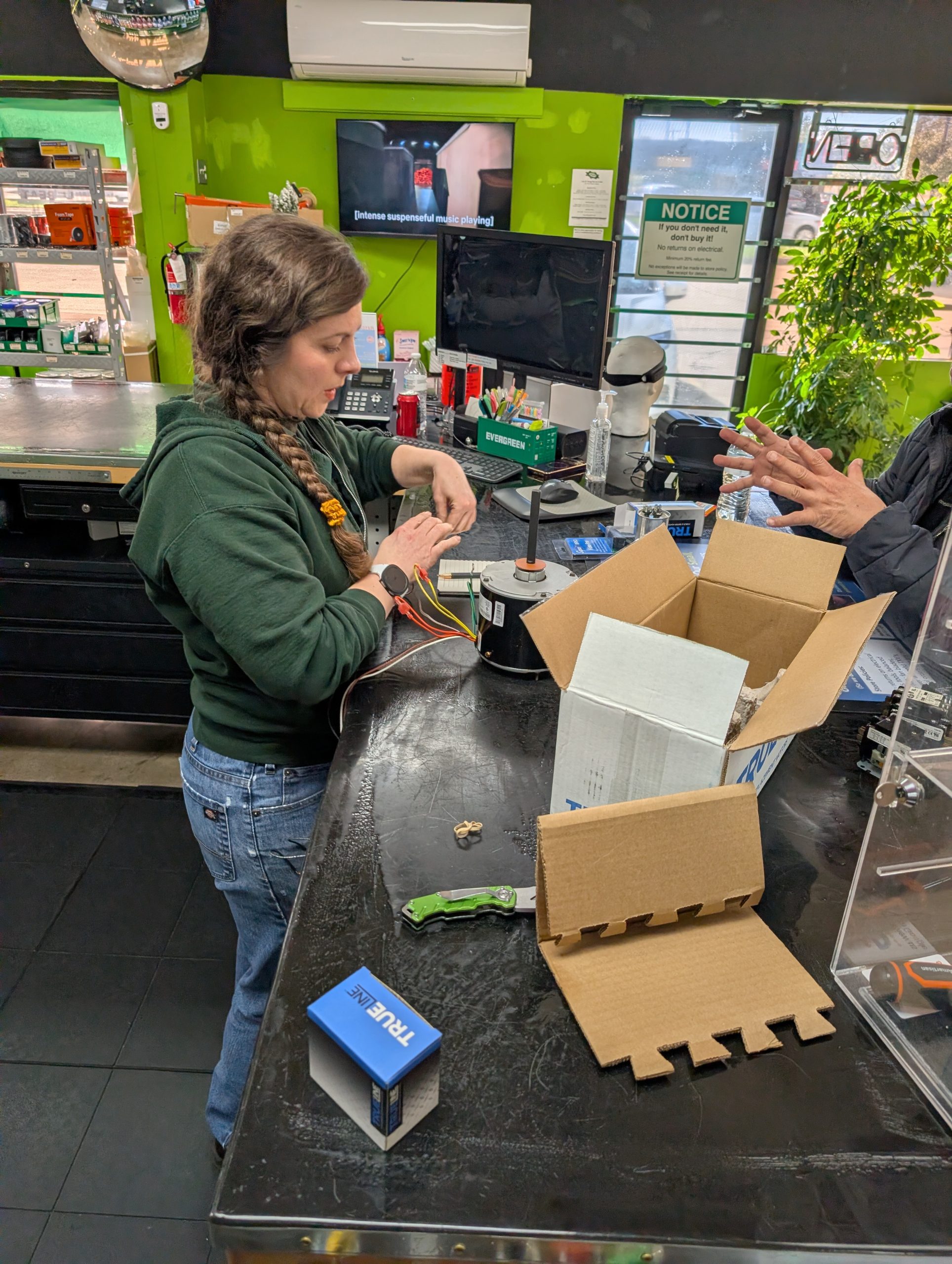
Not sure what you’re hearing? Take a short video on your phone and show us at the counter — we hear these sounds every day and can usually identify the problem in seconds. Bring in the suspected part and we’ll test it for free. Most noise-related repairs involve a capacitor, contactor, or motor — all parts we stock and all DIY-friendly replacements.
Open To Public HVAC Parts — 10226 Plano Rd, Suite 104, Dallas, TX 75238. Call or text (214) 340-9421. Open Monday–Friday 10–7, Saturday 10–3.