CT-503 – MAGNETIC TELESCOPING RETRIEVAL TOOL
Nitrogen purge while you braze, every time on a refrigerant line - the scale you get without it ends up in the metering device and you will not see it until the system underperforms. And keep oil and grease away from anything oxygen touches.
10226 Plano Rd, Suite 104, Dallas TX 75238
Questions? Call or text (214) 340-9421
Mon–Fri 10 am – 7 pm | Sat 10 am – 3 pm
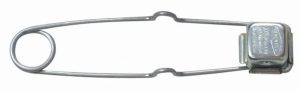
A telescoping magnetic tool for retrieving dropped screws, bolts, and small metal parts from tight spaces. Extends up to 25 inches and has a pocket clip for easy carrying. Every HVAC tech drops a screw inside equipment at some point — this tool gets it back.
Specs: Extends to 25″, magnetic head, chrome-plated, includes pocket clip
Replaces: CT-503
Fits: General HVAC, electrical, and mechanical work — for retrieving dropped metal parts
In stock at Open To Public HVAC Parts in Dallas. We test parts at the counter before you buy. Call or text (214) 340-9421.
Specs
- TypeBrazing supply
Do I need to purge with nitrogen while brazing?
On any refrigerant line, yes. Brazing copper in still air forms cupric oxide scale on the inside of the tube. That scale breaks loose later and plugs the metering device or damages the compressor. Flow a low nitrogen purge through the line the whole time you have heat on it.
Oxy-acetylene or air-acetylene?
Air-acetylene is enough for most residential line work and is simpler and safer to handle. Oxy-acetylene runs much hotter, which you want on larger tubing or dirty conditions. If you are learning, air-acetylene is the friendlier place to start.
Which rod do I use on copper to copper?
A phosphorus-bearing rod is self-fluxing on copper to copper, so no flux is needed. Copper to brass or copper to steel needs a silver-bearing rod AND flux. Using a phos rod on steel will crack.
Do I need a flame blanket?
Anywhere you are brazing near framing, insulation or drywall - which in a real house is almost everywhere. A flame-resistant blanket is a lot cheaper than a callback with a fire truck in it.
Are regulators interchangeable between oxygen and acetylene?
No. They have different threads and different pressure ranges on purpose, and acetylene fittings are left-hand threaded. Never force a fitting and never use oil or grease anywhere near an oxygen regulator.
Do you stock the gas too?
We carry torch kits, regulators, tips and supplies at 10226 Plano Rd, Suite 104 in Dallas. Ask at the counter about gas.
- Low Stock
 Universal
30V 1# - TORCH TIP (J SERIES VICTOR, LIGHT DUTY)
SKU · 30V 1#$26.54View details → - In Stock
 Uniweld
FL34 - FLINT LIGHTER
SKU · FL34$8.35View details → - Low Stock
 Asco
AscoVN500 - NITROGEN BRAZING/PURGING REGULATOR
SKU · VN500$167.90View details → - In Stock
 TurboTorch
A-5 - TORCH TIP (1/4" to 3/4")
SKU · 0386-0102$84.95View details →