
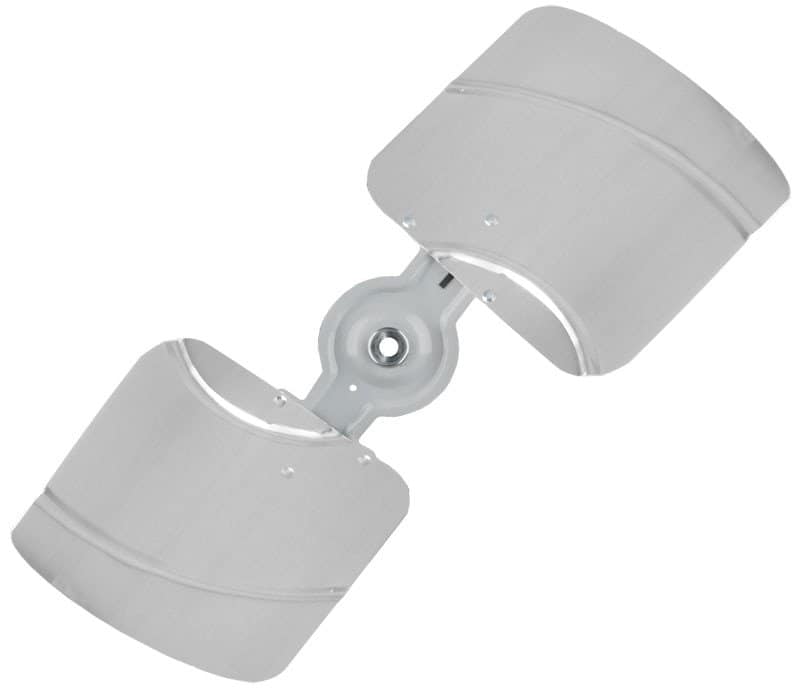
6130570001 – FAN BLADE (2B, 24″, 19, CCW) *READ NOTE FOR RHEEM 70-23137-01*
Breaker off, disconnect pulled, then get a tape on the old blade before it goes in the trash - diameter, blade count, pitch, bore, and how far the hub sat from the end of the shaft. A blade that is correct in every dimension but mounted a half inch high in the shroud will still hand you high head pressure on a 105F Dallas afternoon. Check the blade's max RPM rating against your motor before you bolt it on.
10226 Plano Rd, Suite 104, Dallas TX 75238
Questions? Call or text (214) 340-9421
Mon–Fri 10 am – 7 pm | Sat 10 am – 3 pm
Two-blade axial condenser fan blade, 24 in. diameter, 19 degree pitch, counter-clockwise rotation. Rotation is critical here – a CCW blade will not move air on a clockwise motor. Always confirm rotation, pitch and hub bore against the blade you are removing.
Specifications from our own stock records. The manufacturer does not publish a public page for this item.
Specs
- Number of blades2
- Diameter24 in.
- Pitch19 degrees
- RotationCCW
- Data SourceOTP stock record - not manufacturer-verified
What do I need to measure on a condenser fan blade?
Five things: diameter, blade count, pitch, bore and rotation. Diameter is tip to tip through the center, or measure the radius and double it. Pitch is usually stamped on the hub and runs roughly 19 to 33 degrees in residential sizes. Bore is the shaft hole, most often 1/2 inch or 5/16 inch. Bring the old blade in and we will match it on the counter.
Do more blades move more air?
Not by themselves. Blade count, pitch and diameter work together against the horsepower and RPM of the motor. More pitch or an extra blade loads the motor harder, and if you load a 1/4 HP motor like a 1/3 HP motor you will trip the overload or cook the winding. Match what came out. Do not try to upgrade the blade to fix an airflow complaint.
Does the blade have to match motor rotation?
Yes, and this is the mistake we see most. A CW motor needs a CW blade, verified from the shaft end. Put the wrong-hand blade on and it spins beautifully and moves almost nothing, or pulls air backward through the coil. No airflow, high head pressure, no cooling.
Hub or hubless - which do I need?
A hubbed blade has a fixed center boss with a set screw and locks at one depth. A hubless blade uses a separate adapter hub so you can set depth. Either works as long as the finished blade sits at the same height in the shroud as the old one, and the max RPM stamped on the blade is at or above your motor speed.
- Low Stock
 Revcor
R42003 - FAN BLADE (4, 20", 27°, CCW, HUBLESS)
SKU · R42003$98.08View details → - Low StockRevcor
R31819 - FAN BLADE (3, 18", 33°, CW, HUBLESS)
SKU · R31819$84.55View details → - Low StockRevcor
R42208 - FAN BLADE (4, 22", 27°, CW, HUBLESS)
SKU · R42208$105.14View details → - Low StockGoodman
B1086775SP - FAN BLADE (3, 22", 25°, CCW, HUB ON INTAKE)
SKU · R32201$112.10View details →


