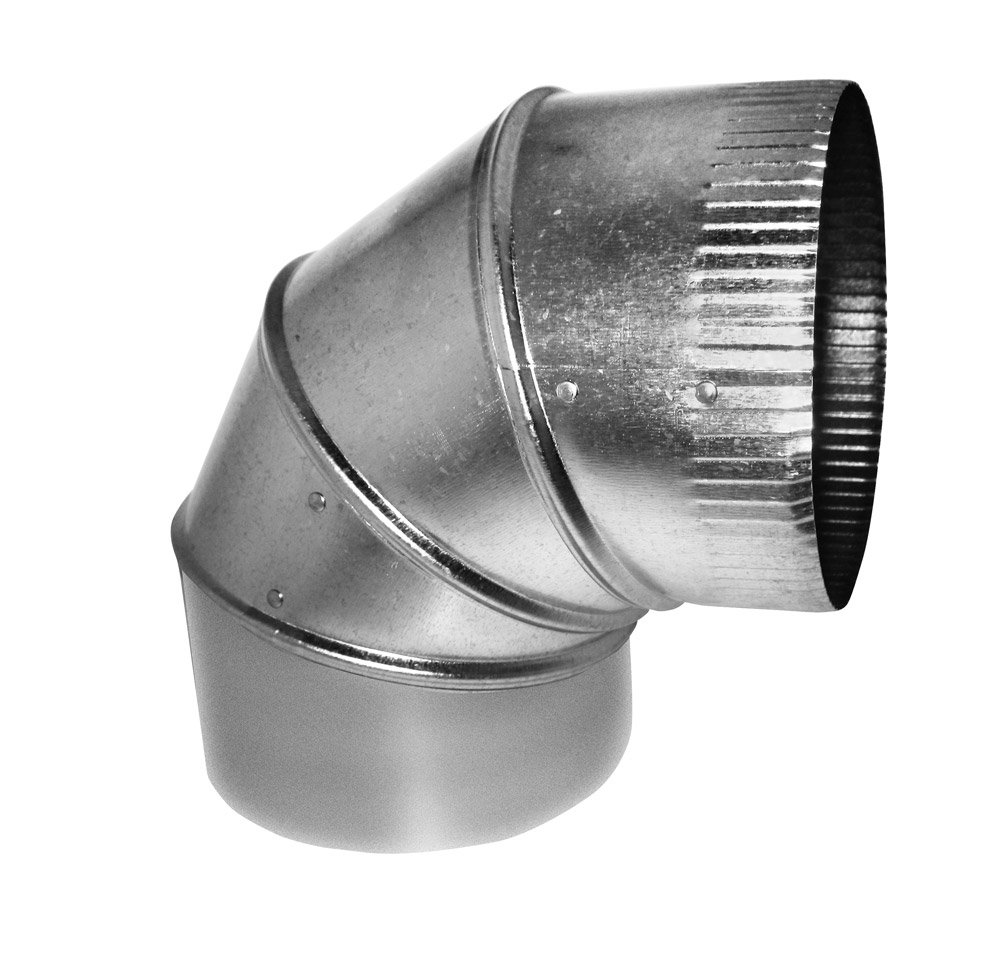
12505 – METAL ELBOW
Screws first, then mastic or a UL 181 listed tape - cloth duct tape is not a duct sealant and never was. Berkeley Lab tested it and it was the only sealant in the study that failed outright, sometimes in days, and a 140 degree attic finishes it fast. When you come in for a plenum, filter base or return box, bring the air handler model number and your flange dimensions so the opening matches the cabinet instead of almost matching it.
10226 Plano Rd, Suite 104, Dallas TX 75238
Questions? Call or text (214) 340-9421
Mon–Fri 10 am – 7 pm | Sat 10 am – 3 pm
Galvanized sheet metal duct elbow for changing direction in a round duct or vent run.
Specifications from our own stock records. The manufacturer does not publish a public page for this item.
Specs
- TypeSheet metal duct elbow
- CategoryDuct fittings
- Data SourceOTP stock record - not manufacturer-verified
What actually seals a duct joint?
Mastic or a listed tape, with screws first. Fasten it mechanically, then seal - UL 181A-M or 181B-M mastic, 181A-P foil tape on duct board, 181B-FX on flex and metal. Cloth duct tape is not a listed closure and it is not code. Lawrence Berkeley Lab's duct sealing research found duct tape was the only material tested that failed outright, often within days. In a 140F Dallas attic the adhesive turns to syrup and the tape hangs off in ribbons by the next summer.
How much insulation does duct in an attic need?
The energy code wants R-8 on attic ducts 3 inches and larger, R-6 under 3 inches, and R-6 in a crawl or unconditioned space. Duct board runs about R-4.3 at 1 inch and about R-8.7 at 2 inch. Then do the local math: 55F supply air inside a 140F attic is an 85 degree difference across that wall, all day, March through October. R-6 is a minimum written for somewhere else. Here R-8 pays for itself.
How do I size a plenum, boot or return box?
Off the air handler flange and the actual takeoff dimensions, not by eye. Bring the equipment model number and your flange measurements, or bring a cardboard template. Half the plenums that get returned to us were measured to the outside of the cabinet instead of the flange.
Why is the drain pan sweating?
An uninsulated pan sitting in humid attic air, or a drain that has started to plug and is holding water. Both are common here, and both show up in August. Insulated pans and a clear, trapped drain fix it.
- In Stock
 Cody
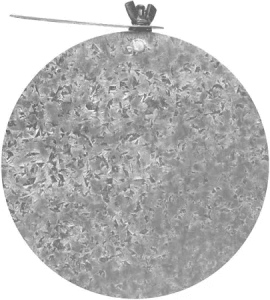
Cody30009 - DAMPER (9" W/ KEY)
SKU · SHMD2HY$7.36View details → - In StockCody
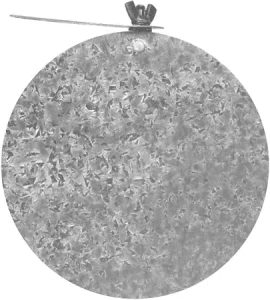
30014 - DAMPER (14" W/ KEY)
SKU · SHMD2H14$10.79View details → - In Stock
 Cody
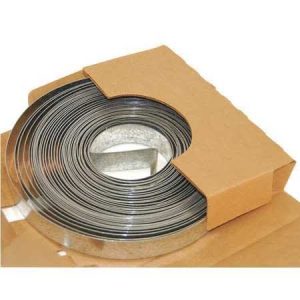
CodyRD-HS11/2 - SOLID METAL STRAP (1.5"X100')
SKU · 9901.5$27.29View details → - In Stock
 Cody
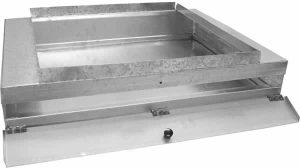
Cody0512025 - REX RACK (DOOR ON 20")
SKU · 0512025 (20" ACCESS)$69.62View details →