AC Not Cooling? Troubleshooting Guide Before You Call a Tech
Your air conditioner is running but the house isn’t getting cool. Before you schedule a service call, there are several things you can check yourself. Many AC cooling problems come down to simple issues that don’t require a technician — and the fix might cost you less than $50 in parts.
Check the Basics First
Start with the fundamentals that are easy to overlook. Make sure your thermostat is set to COOL and the target temperature is below the current room temp. Verify the system switch is on AUTO, not just ON (the ON setting runs the fan continuously, which can blow warm air between cooling cycles). Check that no one bumped the thermostat to a higher setting.
Inspect the Air Filter
A dirty air filter is the number-one cause of AC performance problems. When the filter is clogged, the evaporator coil can’t absorb heat efficiently, and in severe cases, the coil can freeze over completely. Pull the filter out and check it — if it’s gray or clogged with dust, replace it immediately. We carry all standard HVAC filter sizes at our store. After replacing the filter, give the system 30 minutes to recover if the coil was icing up.
Check the Outdoor Unit
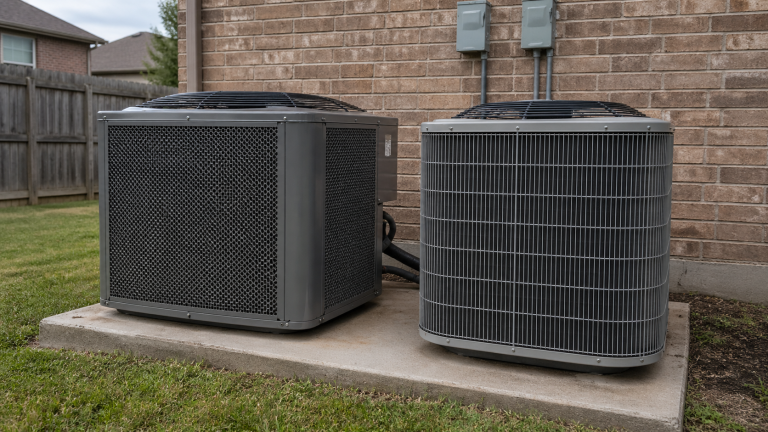
Go outside and look at the condenser unit. Is the fan spinning? If not, the issue could be a bad capacitor, a failed fan motor, or a tripped breaker. Clear any debris, leaves, or grass clippings away from the unit — the condenser needs at least 2 feet of clearance on all sides for proper airflow. If the coils look dirty, gently rinse them with a garden hose (not a pressure washer). A dirty condenser coil can reduce cooling capacity by 30% or more.
Listen for the Compressor
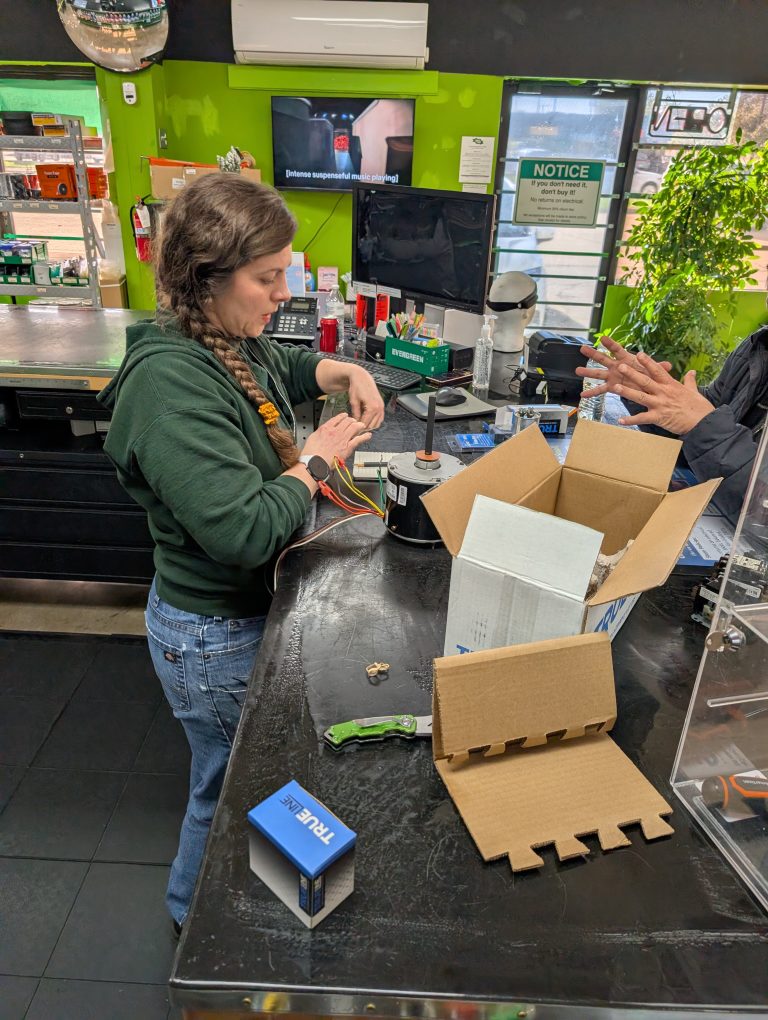
When the AC kicks on, you should hear the compressor engage — it’s the louder, lower-pitched hum from the outdoor unit. If you only hear the fan but not the compressor, the issue may be a failed run capacitor, a bad contactor, or a compressor that’s locked up. A dual run capacitor is the most common and least expensive fix — you can test it with a multimeter and replace it in about 15 minutes.
Look at the Contactor
The contactor is an electrically controlled switch inside the outdoor unit that turns the compressor and fan on when the thermostat calls for cooling. Over time, the contacts can pit, burn, or weld shut. Signs of a bad contactor include the outdoor unit not turning on at all, or running continuously even when the thermostat is off. Contactors are inexpensive ($15–$30) and simple to replace with basic tools.
Check for Refrigerant Issues
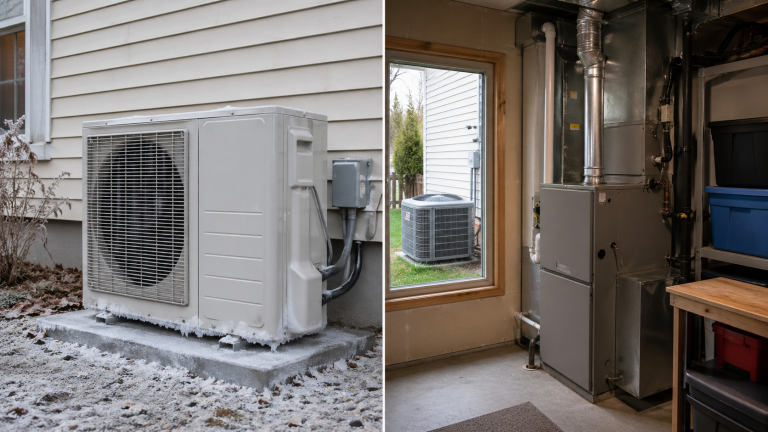
If the system is running but the air coming from the vents is only slightly cool, low refrigerant may be the cause. Signs include ice forming on the refrigerant lines or evaporator coil, higher-than-normal electric bills, and a hissing or bubbling sound near the indoor unit. Refrigerant work requires EPA 608 certification, so this is one repair where you’ll need a licensed technician. However, we do stock refrigerant and refrigeration parts for certified professionals.
When to DIY vs. When to Call a Pro
DIY-friendly fixes: Air filter replacement, capacitor swap, contactor replacement, cleaning condenser coils, checking and resetting breakers, thermostat troubleshooting.
Call a professional for: Refrigerant leaks, compressor replacement, electrical wiring issues, or anything involving the indoor evaporator coil.
For the DIY repairs, our free HVAC video tutorials walk you through each process step by step.
Get AC Parts in Dallas — No Account Needed
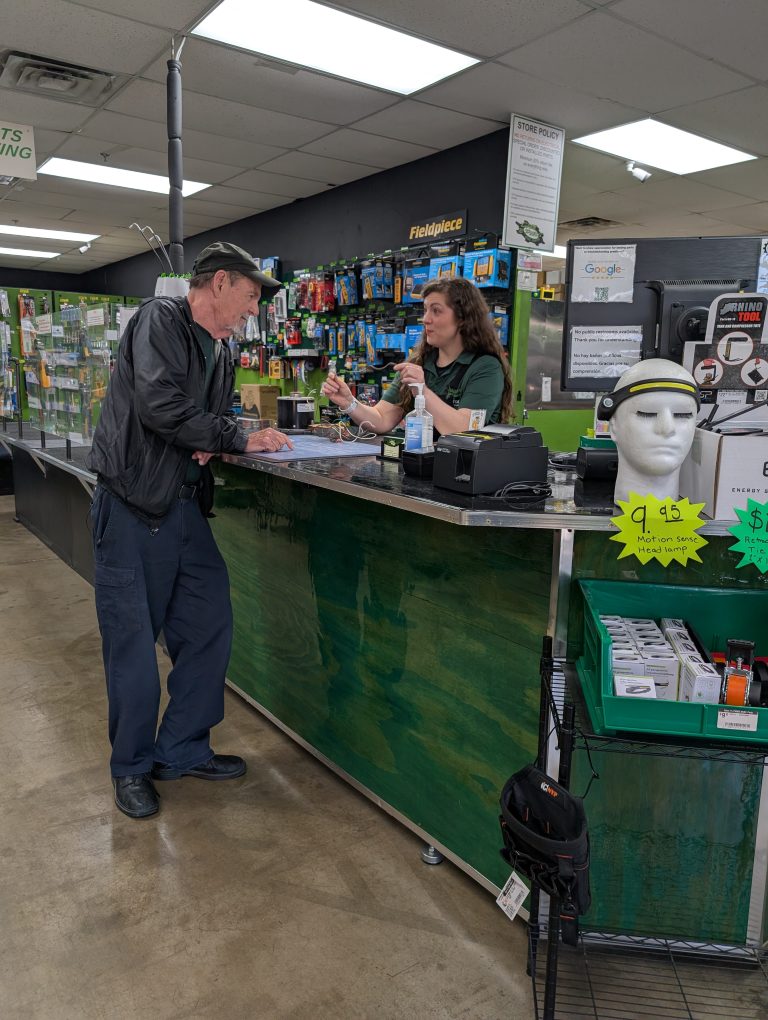
Open To Public HVAC Parts stocks capacitors, contactors, fan motors, filters, and everything you need for AC repair. Walk in, pick your parts, and walk out — open to homeowners and contractors alike since 1998. Browse our catalog or see all the brands we carry.